Why it matters
Self-employed at a higher rate, and shut out of the capital to grow
The problem to solve
Three gaps stand in the way
People with disabilities are self-employed at a higher rate than the general population, but the capital and support that would let those businesses grow is nearly impossible to access.
The entrepreneurs
9.1% of people with a disability are self-employed, compared with 5.9% of people without one (BLS, 2025), often because traditional employment wasn’t built for them.
The capital gap
Benefit limits, thin credit files, and inaccessible lending processes leave entrepreneurs unbanked, underbanked, or shut out of financing entirely.
The system gap
According to the Center on Self-Employment at Virginia Commonwealth University, less than 3% of vocational rehabilitation case closures result in self-employment. Existing accelerators are built for high-growth ventures, not small, durable businesses.
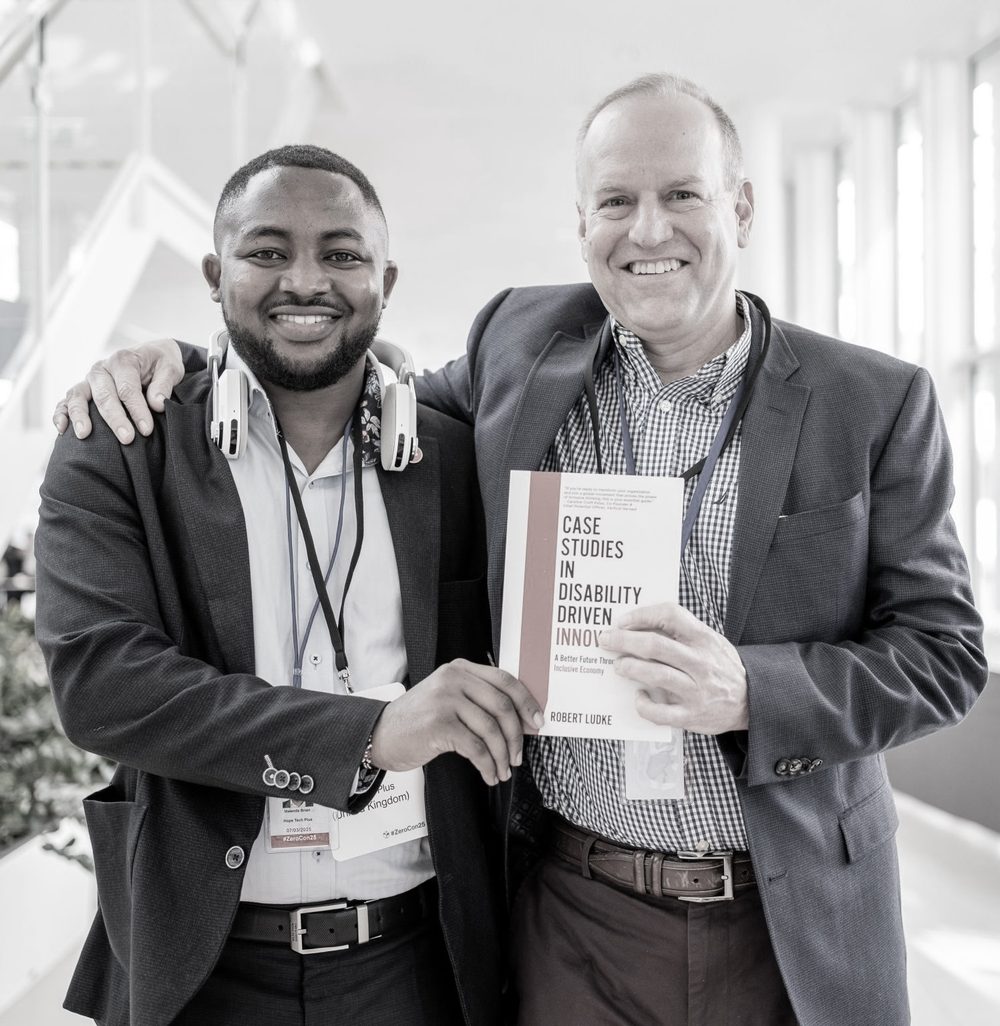
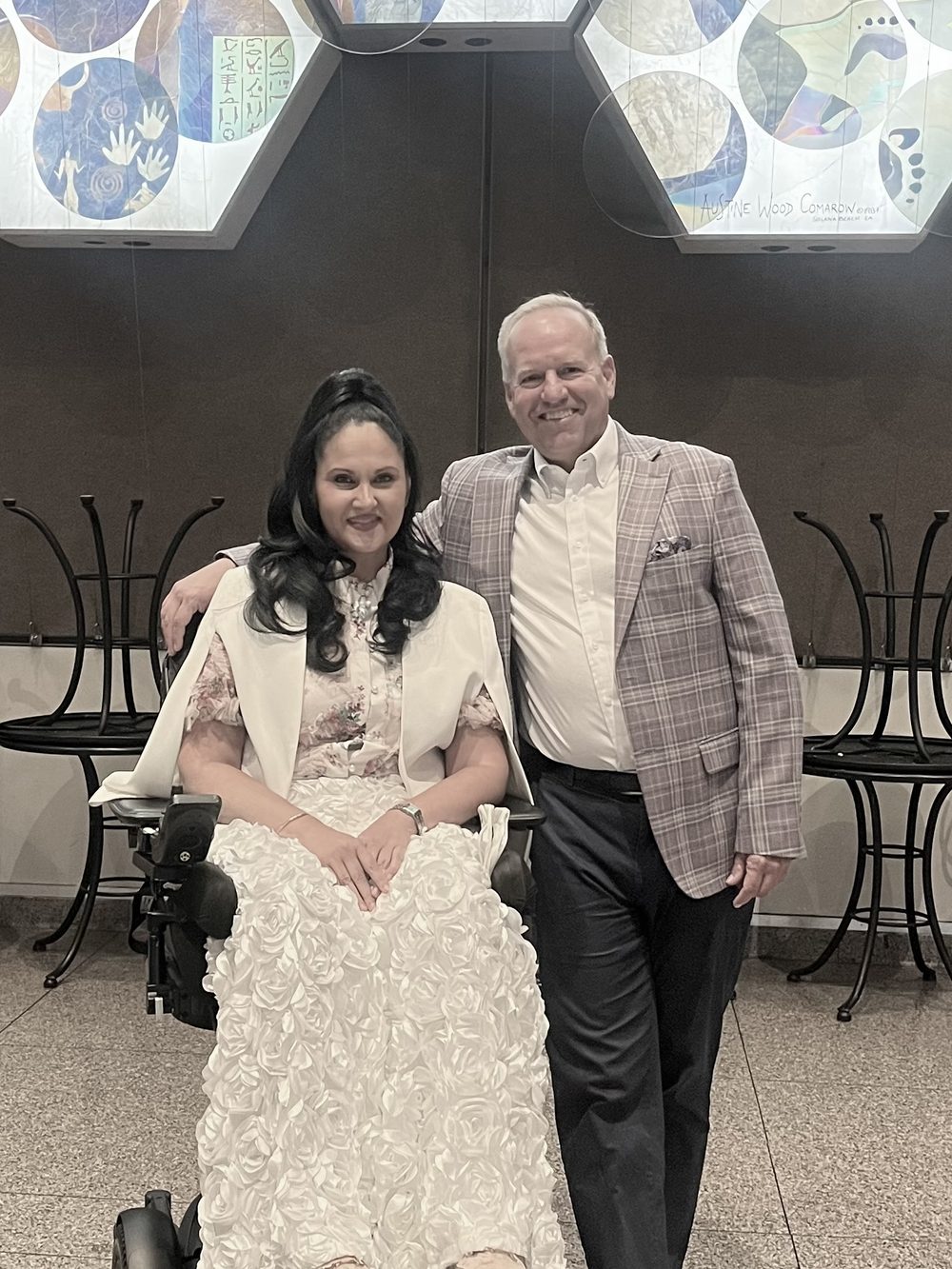
Entrepreneurs and advocates
The disability squeeze
Burning cash to stay in business, with a high cost of living
Not only are entrepreneurs with disabilities burning cash just to stay in business, but their costs of living are very high.
- Startup costs stack before revenue does. Adaptive equipment, accessible space, and personal care assistance are upfront costs.
- A high cost of living squeezes working capital. Medical care and assistive technology eat into the cash cushion needed to invest in the business.
- Benefits cliffs penalize growth. Rising income risks Medicaid, SSI, or SSDI, discouraging entrepreneurs from scaling.
- No access to capital from day one. Credit gaps and lender bias mean many businesses start undercapitalized, so every added cost hits harder and growth is that much harder.
Market opportunity
From 1.8 million owners to a focused first cohort
- 1.8MTotal addressable marketBusiness owners with disabilities currently operating in the U.S.National Disability Institute
- ~720KServiceable marketIf roughly 40% are in small or mid-size communities and rural areas, where the gap is most acute.Illustrative estimate, not a published statistic
- 3–5Year 1 pilotEntrepreneurs supported, scaling as the loan fund and social capital program grow.
- $675BSpending powerDisposable income held by working-age adults with disabilities in the U.S.Disability:IN and AIR, 2026